Bonsai Trees
Collecting from the Wild
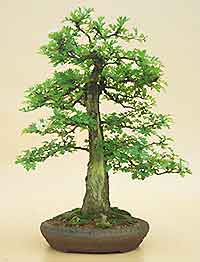
Before you even consider collecting trees from the wild it is essential that you obtain permission from the land owner. Look especially for trees that are naturally dwarfed by growing in small pockets of soil, or on top of a stone wall, or have been nibbled by animals such as deer or rabbits.
Alternatively larger trees can often be reduced considerably in height and by growing a new leader, taper is improved. Spring is an ideal time for collecting trees.
When trees have been collected, always use a container large enough to accommodate the root system without major pruning. If this is not possible it is often worth planting the tree straight in the ground to establish.
Survival is the most important consideration, and training should not commence until the tree is well established. This usually takes at least two years and often longer.
Seed
Cuttings
Air Layering
Bonsai Nurseries
Collecting from Gardens
Collecting from the Wild
Garden Centre Stock



