Bonsai Trees
Styles: Literati - Bunjingi
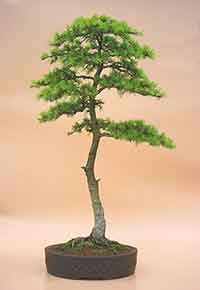
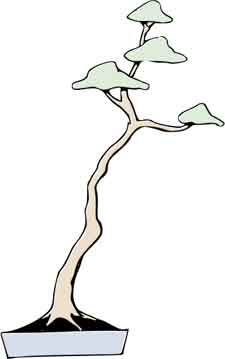
This style was created by the scholars (literati) in ancient China and is often depicted by tall pines in old drawings and ink paintings. Literati trees frequently grow naturally in valleys or places where light has been restricted, resulting in a lack of lower branches.
A tall, slender trunk is necessary to create a graceful and elegant line. Although thought by many to be an easy style to create, a good, convincing and a pleasing literati bonsai is often hard to achieve and potential material should be selected carefully. Shallow, round or primitive (rough and irregular), unglazed pots are preferable.
Pines are often used to create the literati style. This bonsai style can be very natural and inspiration can be taken from many different trees in nature.
Formal Upright - Chokkan
Informal Upright - Moyogi
Literati - Bunjingi
Windswept - Fukinagashi
Cascade - Kengai
Twin Trunk - Sokan
Root Over Rock - Sekijoju
Bonsai Root On Rock - Ishitsuki
Bonsai Driftwood - Sharimiki
Bonsai Group Planting - Yose-Ue
Bonsai Broom - Hokidachi



